World Glaucoma Week 2026
World Glaucoma Week returns in March 2026, aiming to raise more awareness of the condition and highlight the importance of protecting your vision. Symbolised by the green ribbon, this global campaign encourages people to prioritise regular eye checks and understand their personal risk of sight loss.
This awareness week is an important opportunity to spread the word, whether by booking an eye examination or discussing your family history to help prevent irreversible vision loss.
To mark the occasion, Consultant Ophthalmic Surgeon Gokulan Ratnarajan shares his expert advice on glaucoma, often referred to as the “silent thief of sight.”
What is glaucoma?
The definition of glaucoma is a group of eye conditions that damage the optic nerve, often linked to increased pressure inside the eye. It is one of the leading causes of irreversible blindness in both the UK and worldwide.
Because vision loss from glaucoma develops slowly and without obvious symptoms, many people are unaware they have the condition until it is detected during a routine eye test. Secondary glaucoma can also occur after another eye condition or eye injury, which is why regular monitoring is important.
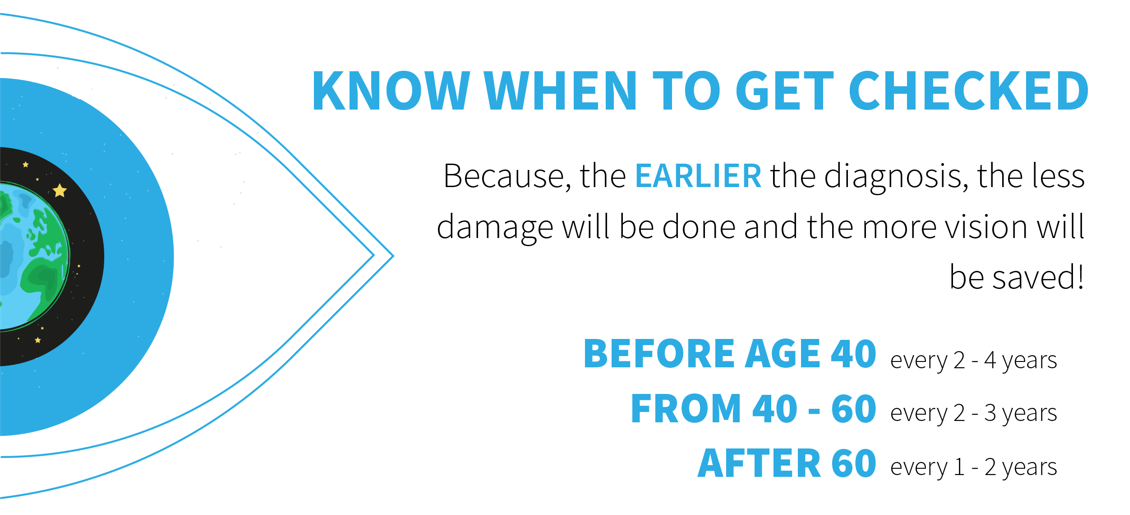
Early detection is crucial. Regular eye examinations don’t just assess your need for glasses, they play a vital role in monitoring your overall eye health and identifying conditions like glaucoma before permanent damage occurs. Understanding what the symptoms of glaucoma are can help people take timely action.
Read our blog What Is Glaucoma to learn more about the eye condition.
Mr Ratnarajan explains: "Half a million people are diagnosed with glaucoma, but because of the lack of symptoms there's probably half a million people out there not aware they have glaucoma. That's why it's known as the silent thief of sight."
Who is at Risk of Glaucoma?
The risk of developing glaucoma increases with age, affecting nearly 10% of people over 75. However, other groups are also at higher risk, including:
- People with a family history of Glaucoma
- Individuals from certain ethnic backgrounds
- Women
- Older adults
Understanding your risk factors and attending regular eye tests can make a significant difference in preventing vision loss. Being aware of glaucoma symptoms and understanding what glaucoma is ensures that at-risk individuals take early steps to protect their eyesight.
How is glaucoma treated?
Treatment for glaucoma focuses on reducing eye pressure and preventing further damage to the optic nerve. Options include:
- Medicated eye drops (first-line treatment)
- Laser therapy
- Minimally invasive procedures, such as micro glaucoma stents
- Surgical intervention in more advanced cases
Mr Ratnarajan adds:
“Nowadays there are more treatment options in the form of laser surgery and micro glaucoma stents, maybe preventing the need for regular eye drops.”
Patients should also be aware of glaucoma symptoms, including subtle changes in vision, and understand the possibility of secondary glaucoma developing over time.
Visit our Glaucoma Treatment page to learn more about how this eye condition is treated.
Why World Glaucoma Week Matters
World Glaucoma Week is a reminder that sight loss from glaucoma is largely preventable with early diagnosis and treatment. Learning what the symptoms of glaucoma are, and understanding what glaucoma is helps people act early and protect their vision.
Taking the simple step to book a routine eye test, could help protect your vision for years to come.
Make an Enquiry
If you’re concerned about your eye health or would like to book an eye examination, get in touch with our specialist team today. They can explain secondary glaucoma, help you recognise glaucoma symptoms, and clarify what glaucoma is, so you can take the right steps to protect your sight.

Find out more about the McIndoe Centre
We provide outstanding patient experiences
As a nationally recognised hospital of excellence in plastic, reconstructive, ophthalmic and maxillofacial surgery, we have demonstrated ourselves to be: effective, responsive, caring, safe and well-led. Recently rated ‘good’ by the CQC, we are committed to treating our patients and each other with kindness, respect and dignity resulting in life-changing outcomes.

Patient testimonials
Find out what it’s like to be a patient, from the people who matter the most.