Body contouring is a cosmetic treatment that reshapes and refines the body's appearance by reducing stubborn fat, tightening skin, or improving overall contours. Results can last for years, especially when supported by a stable weight and healthy lifestyle habits.
This guide explains how body contouring works and what affects the longevity of its results.
What Is Body Contouring?
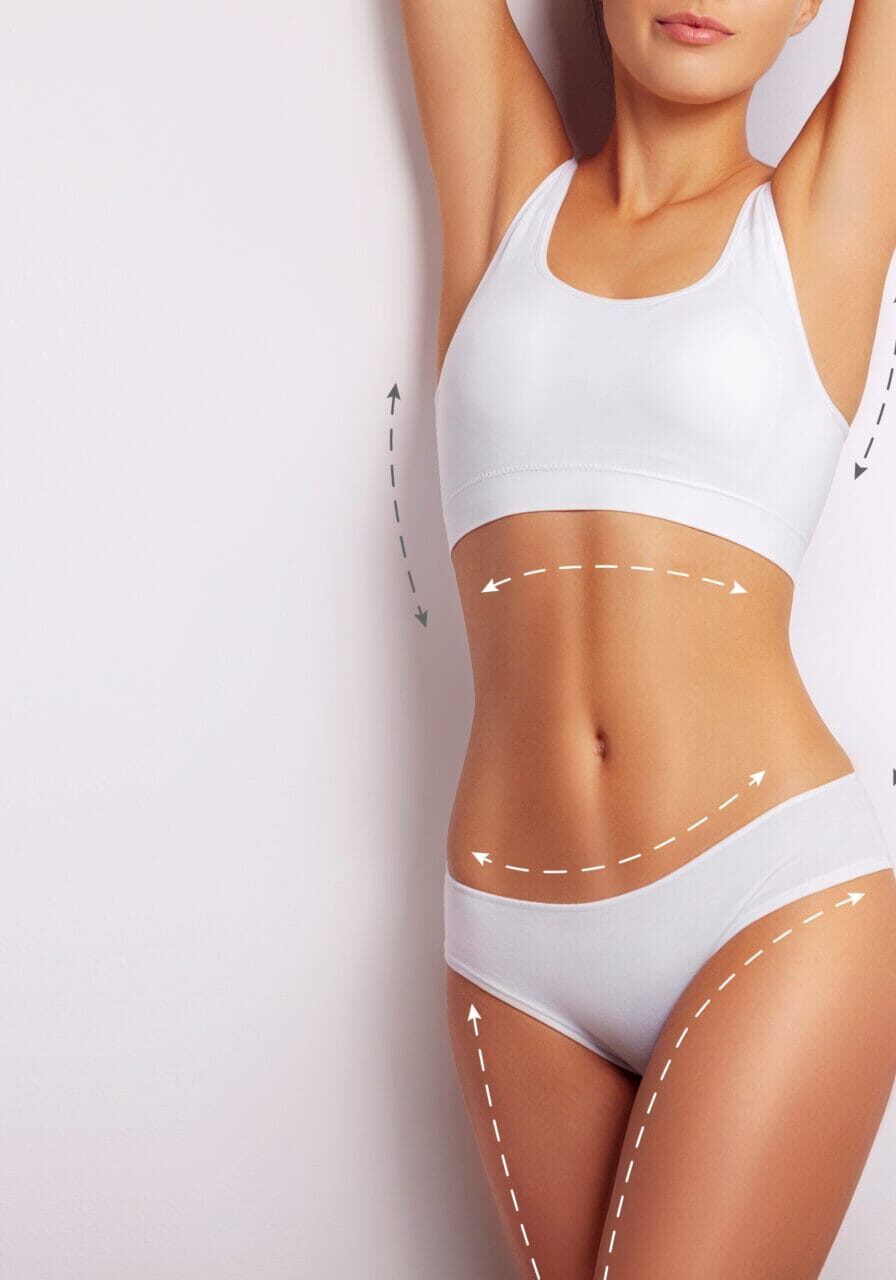
Body contouring is a cosmetic approach that reshapes and enhances the body's natural silhouette by targeting areas of stubborn fat, loose skin, or uneven contours. The term body sculpting is often used interchangeably with body contouring and refers to treatments designed to create a more defined and toned appearance.
Many body contouring procedures include fat reduction treatments, which work to reduce unwanted fat cells in specific areas such as the abdomen, thighs, arms, or flanks. These treatments may be surgical or non-surgical, depending on the desired results.
Body contouring is not a weight-loss solution but a way to refine body shape and improve overall proportions.
Results can be long-lasting, and in some cases permanent, particularly when fat cells are removed surgically. However, outcomes depend on lifestyle and weight stability.
What Procedures Are Included in Body Contouring?
Sam Orkar, Consultant Plastic, Reconstructive and Aesthetic Surgeon at The McIndoe Centre, explains: “When people gain weight, they gain weight in different areas of their bodies and the (body contouring surgery) options depend on where you have lost the weight and therefore, have excess tissue.”
Explore some of the most popular body contouring surgeries.
Liposuction
Liposuction is a body contouring procedure that removes stubborn fat deposits from specific areas of the body, such as the abdomen, thighs, hips, arms, or back. Using a thin tube called a cannula, a surgeon suctions out unwanted fat cells to create a slimmer and more defined appearance.
Liposuction is best suited for individuals who are close to their ideal weight but struggle with localised fat pockets.
Tummy Tuck Surgery
A tummy tuck, also known as abdominoplasty, removes excess skin and fat from the abdominal area while tightening weakened or separated abdominal muscles. This procedure is often chosen after significant weight loss or pregnancy, when loose skin and muscle laxity remain despite diet and exercise. The result is a firmer, flatter abdomen and improved body contour.
Arm Lift Surgery
An arm lift, or brachioplasty, is designed to reshape the upper arms by removing excess skin and fat. It is commonly performed on individuals who have experienced substantial weight loss and are left with sagging skin that does not improve through exercise alone. The procedure creates a smoother, more toned arm contour and can improve both comfort and confidence.
Thigh Lift Surgery
A thigh lift targets excess skin and fat on the inner thighs to create a firmer, more proportionate lower body shape. The procedure is particularly beneficial for patients who have lost a significant amount of weight and are dealing with loose, hanging skin. By tightening the tissues and refining the contours, a thigh lift can improve appearance, comfort, and mobility.
Total Body Lift Surgery
A total body lift is a comprehensive surgical procedure designed to reshape and tighten multiple areas of the body, typically after major weight loss. It may include an upper body lift, targeting the back, chest, and arms; a lower body lift, focusing on the abdomen, buttocks, and thighs; or a combination of both for full-body contouring. This approach removes excess skin and improves overall body definition, helping patients achieve a more balanced and proportionate silhouette.
Body Contouring vs Body Sculpting: What's the Difference?
Patients often ask about the difference between body contouring and body sculpting. Although The McIndoe Centre does not currently offer non-surgical body sculpting treatments, it's helpful to understand how they compare with surgical body contouring procedures.
| Body Contouring | Body Sculpting | |
|---|---|---|
| Meaning | Umbrella term for reshaping the body | Usually, non-surgical fat reduction |
| What it includes | Surgery + non-surgical treatments | Non-surgical treatments only |
| Examples | Liposuction, tummy tuck, body lift | Fat freezing, radiofrequency |
| Invasiveness | Can be surgical | Non-invasive |
| Results | Bigger, longer-lasting changes | Smaller, gradual changes |
| Best for | Loose skin + larger fat removal | Small, stubborn fat areas |
Surgical vs Non-Surgical Body Contouring
Understanding the differences between surgical and non-surgical body contouring can help you choose the most effective treatment for your goals, lifestyle, and desired results.
Surgical body contouring
Body contouring surgery is designed to remove excess fat and, in some cases, loose skin to create a more defined body shape. Popular procedures include liposuction, tummy tucks, and body lifts. Surgical treatments typically deliver more dramatic and long-lasting results, but they involve downtime, recovery, and the usual considerations associated with an operation.
Non-surgical body contouring
Non-surgical body sculpting treatments use advanced technologies such as fat freezing, radiofrequency, ultrasound, or muscle stimulation to target stubborn fat pockets and improve body shape. While non-surgical body sculpting treatments are designed to target stubborn fat pockets and improve body shape, they cannot remove excess skin or achieve the same level of reshaping as surgical body contouring. If you have significant loose skin following weight loss or are looking for more dramatic, longer-lasting changes, surgical body contouring may be the more appropriate option.
Which option is right for me?
The best approach depends on your body goals, the amount of fat or loose skin being treated, and your preferences regarding recovery time.
Body contouring surgery may be better suited to those seeking significant changes, while non-surgical body sculpting can be ideal for refining specific areas with minimal disruption to daily life. A professional consultation can help determine the most suitable treatment plan.
In general smaller problems in younger patients with good skin might successfully be treated with non-invasive methods, whilst more extensive problems over wider areas, and especially where lose skin is present will require a surgical approach.
How Long Do Body Contouring Results Last?
The longevity of body contouring results depends on the procedure performed, your lifestyle habits, and how well you maintain a stable weight after treatment. While many results can be long-lasting, ongoing healthy habits play an important role in preserving your new contours.
Liposuction results
Liposuction permanently removes targeted fat cells from treated areas, meaning the results can last for many years. However, remaining fat cells can still expand if significant weight gain occurs. Maintaining a balanced diet and regular exercise routine is essential for preserving the benefits of body contouring surgery such as liposuction.
Tummy tuck results
A tummy tuck can provide long-lasting improvements by removing excess skin and tightening weakened abdominal muscles. Results often remain stable for many years when patients maintain a consistent weight. Future pregnancies or substantial weight fluctuations may affect the outcome and alter the contours achieved through this form of body contouring surgery.
Body lift results
Body lift procedures are designed to address excess skin and reshape areas affected by major weight loss or ageing. The results are typically durable, especially when combined with a healthy lifestyle. Although natural ageing continues, most patients enjoy the benefits of their body contouring surgery for many years after treatment.
Factors that affect longevity
Several factors can influence how long body contouring results last, including age, genetics, weight stability, diet, exercise habits, and smoking status. While non-surgical body sculpting and surgical treatments can both provide lasting improvements, maintaining a healthy lifestyle is the best way to protect your results and support long-term body confidence.
Can Fat Return After Body Contouring?
Procedures such as liposuction permanently remove fat cells from the treated area, but the remaining fat cells can still expand when excess calories are consumed. In some cases, weight gain may also lead to fat being stored in untreated areas of the body.
While body contouring can create long-lasting improvements, maintaining a stable weight through a balanced diet, regular exercise, and healthy lifestyle habits is key to preserving your results and preventing unwanted changes to your body shape.
What Factors Affect How Long Results Last?
Several factors can influence the longevity of body contouring results, from lifestyle habits and weight management to natural changes that occur as the body ages.
Weight stability
Maintaining a stable weight is one of the most important factors in preserving body contouring results. Significant weight gain can cause remaining fat cells to expand, while substantial weight loss may affect skin tightness and overall body shape. Consistent weight management helps support long-lasting outcomes.
Diet and exercise
A healthy diet and regular exercise routine can help maintain the results achieved through body contouring treatments. Nutritious eating habits support weight stability, while physical activity helps prevent fat accumulation and promotes overall body composition, allowing you to enjoy your results for longer.
Ageing
The natural ageing process can gradually affect body contours over time. Changes in skin elasticity, muscle tone, and fat distribution may alter the appearance of treated areas. Although body contouring results can be long-lasting, ageing continues to influence how the body looks and feels.
Pregnancy
Pregnancy can significantly impact body contouring results, particularly after procedures involving the abdomen. Stretching of the skin and abdominal muscles, along with weight fluctuations, may change the treated area's appearance. Many patients choose to undergo body contouring once they have completed their family.
Skin quality
Good skin elasticity can help maintain smoother, firmer contours after treatment. Factors such as genetics, age, sun exposure, and smoking can all affect skin quality. Healthier, more elastic skin generally adapts better to body shape changes and may contribute to longer-lasting results.
Smoking
Smoking is bad for collagen and elastin synthesis and healing. Smokers generally do less well in both the short and long term after surgery.
Who Is a Good Candidate for Body Contouring?
Body contouring is best suited to individuals who are close to their ideal weight and looking to address stubborn areas of fat or excess skin that have not responded to diet and exercise. Suitable candidates typically have a stable BMI, are in good overall health, and have realistic expectations about what treatment can achieve.
People who have experienced significant weight loss often benefit from body contouring procedures to remove excess skin and improve body proportions.
It is also important to remember that body contouring is not limited to women; while liposuction is commonly associated with women, the procedure can also be performed on men. The commonest areas for men are the chest, abdomen and “love handles”.
A consultation with a qualified specialist can help determine the most appropriate treatment based on your individual goals and anatomy.
Risks and Recovery After Body Contouring
Recovery after body contouring varies depending on the procedure, but most patients can expect some swelling, bruising, and temporary discomfort during the healing process.
Swelling may take several weeks or months to fully resolve, with final results becoming more visible over time. Surgical procedures will also leave scars, although these typically fade and become less noticeable as they heal.
While complications are uncommon when performed by a qualified surgeon, following aftercare advice is essential. Maintaining realistic expectations and allowing sufficient recovery time are key to achieving the best possible outcome.
How Much Does Body Contouring Cost?
The cost of body contouring varies depending on the procedure performed, the size and number of areas being treated, and whether you choose a surgical or non-surgical approach.
Surgical treatments generally involve higher costs due to surgeon fees, anaesthesia, and facility charges, while non-surgical options may require multiple sessions to achieve the desired outcome.
Because every treatment plan is tailored to the individual, pricing can differ significantly between patients. For a more detailed breakdown of costs and available treatment options, it is worth contacting The McIndoe Centre and speaking to a member of our Patient Advisory Team.
When Should You Consider Body Contouring?
You may wish to consider body contouring if you have stubborn fat deposits, loose skin, or areas of your body that have not responded to diet and exercise. It can also be an effective option for individuals who have achieved significant weight loss and want to refine their body shape. The best time to undergo treatment is when you are close to your target weight, in good overall health, and have realistic expectations about the results.
If you are unsure which approach is right for you, booking a consultation with an experienced specialist can help you explore your options and create a personalised treatment plan.
FAQs
Clinically reviewed by John Pereira, Consultant Plastic and Reconstructive Surgeon at The McIndoe Centre.
Find out more about the McIndoe Centre
We provide outstanding patient experiences
As a nationally recognised hospital of excellence in plastic, reconstructive, ophthalmic and maxillofacial surgery, we have demonstrated ourselves to be: effective, responsive, caring, safe and well-led. Recently rated ‘good’ by the CQC, we are committed to treating our patients and each other with kindness, respect and dignity resulting in life-changing outcomes.


Patient testimonials
Find out what it’s like to be a patient, from the people who matter the most.