



Deep Plane Facelift
A deep plane facelift can help restore youthful facial contours and address visible signs of ageing, while maintaining your natural appearance.
What is a deep plane facelift?
A deep plane facelift is an advanced facelift technique, designed to release and reposition the deeper facial tissues (known as the SMAS and retaining ligaments).
By lifting the facial tissues as one unit, the procedure restores natural facial volume and contours while avoiding the tight appearance that can often be associated with traditional facelift techniques.
This is not a “new” technique, and surgeons at The McIndoe Centre have been performing Deep plane facelifts for many years, although recent modifications have made the technique more versatile and improved recovery times.
Who is Suitable for a Deep Plane Facelift?
Suitability depends on your facial anatomy, skin laxity, overall health, and personal goals. You may be an ideal candidate if you:
- Have moderate to advanced facial sagging
- Notice jowls or loss of jawline definition
- Have deep folds around the nose and mouth
- Experience loose skin on the neck
- Want long-lasting facial rejuvenation
- Are in good overall health
- Have realistic expectations about surgery and recovery
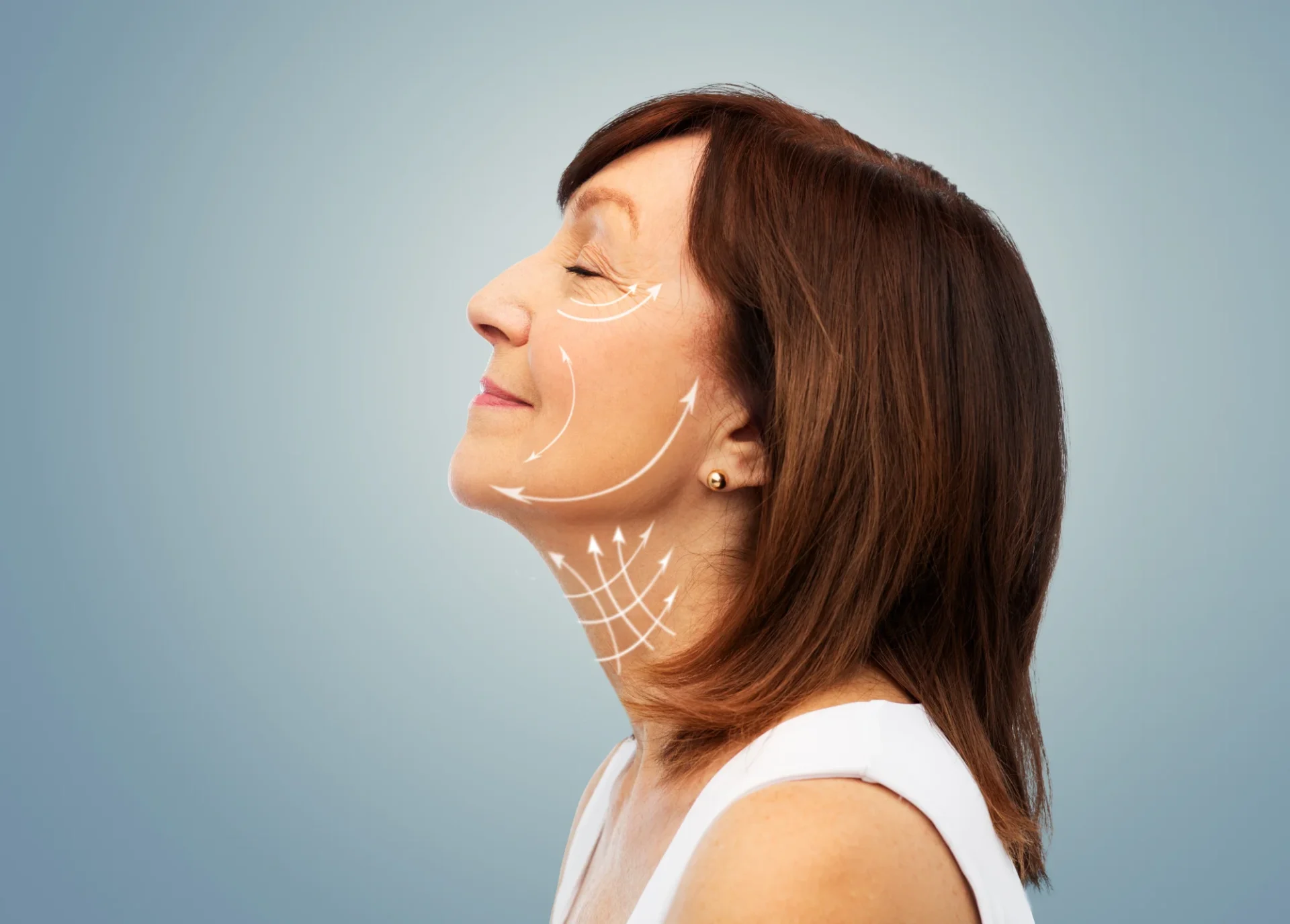
A consultation with a specialist in deep plane facelift surgery can determine whether this procedure is the right option for you.
A deep plane facelift is not intended to improve skin texture, pigmentation, or fine wrinkles, which may require complementary treatments such as laser resurfacing or chemical peels.
What is the Difference Between a Deep Plane Facelift and Traditional Facelift?
| Deep Plane Facelift | Traditional Facelift |
|---|---|
| Repositions the deeper facial tissues and retaining ligaments as well as removing excess skin. | Primarily lifts and tightens the skin and superficial tissue layers. |
| Lifts the facial tissues as a single unit, helping to restore youthful contours. | Relies more on skin tension to improve facial appearance. |
| Particularly effective for lifting the cheeks, softening deep nasolabial folds and improving jowls. | Most effective for addressing loose skin along the jawline and lower face. |
| Produces natural-looking movement and facial expressions by repositioning underlying structure and minimising tension on the skin | Can achieve excellent results, although certain techniques may place more tension on the skin. |
| Can provide long-lasting results by repositioning deeper facial tissues* | Results are long-lasting but may not address deeper facial ageing to the same extent. |
| Typically involves a more technically complex procedure performed by surgeons with specialist expertise in facial rejuvenation. | Widely performed using a variety of established facelift techniques, depending on the surgeon and the patient's goals. |
* the longevity of results varies between individuals.
How the Deep Plane Facelift Procedure Works
Comprehensive Consultation
During your consultation with an experienced deep plane facelift surgeon, your facial anatomy, skin quality, medical history, and aesthetic goals will be evaluated to determine whether a deep plane facelift is the right option for you. An experienced facial surgeon will choose a technique that suits you best, taking into account your anatomy, lifestyle and any other medical issues, so that the best balance of outcome, risk and safety is achieved.
One of the ways to understand the potential result is by viewing deep plane facelift before and after photographs during your consultation. It is also important to discuss the recovery timeline, expected outcomes, risks and benefits.
During Surgery
The procedure is performed under general anaesthesia or intravenous sedation.
Your surgeon will:
- Create carefully concealed incisions around the ears and hairline
- Release facial retaining ligaments
- Lift and reposition the deeper facial tissues
- Remove excess skin when necessary
- Close the incisions with meticulous attention to minimising visible scarring
Recovery After a Deep Plane Facelift
Recovery varies between individuals, but most patients experience gradual improvement over several weeks.
Week One: Swelling, bruising, mild tightness and temporary numbness are common. Discomfort is usually managed with prescribed or recommended pain relief.
Week Two: Most bruising subsides, swelling continues to improve, and many patients feel comfortable returning to some social activities. Your surgeon will advise when you can start to drive, but this is usually after about a week.
Long Term Healing: Residual swelling gradually resolves over several months and scars continue to soften and fade, revealing refined facial contours and natural-looking rejuvenation.
Your surgeon will provide detailed post-operative instructions to help support a smooth recovery, including when it is safe to drive, return to work and resume exercise. Please follow the advice carefully for best results.
At The McIndoe Centre, we have been helping patients with facelift surgery for over 25 years and have a dedicated and experienced team available for you 24 hours a day after your procedure.
How Much is a Deep Plane Facelift
The deep plane facelift cost will depend on your individual treatment plan and whether additional procedures, such as a deep plane neck lift, are performed at the same time. Other procedures such as brow lift, eyelid surgery, lip lift or fat injection can be combined with the deep plane facelift and your consultation is a good time to discuss this with your surgeon.
Choosing a Deep Plane Facelift Surgeon
When researching for the best deep plane facelift surgeons, it's important to look beyond reputation and consider their qualifications, specialist expertise and experience in facelift surgery, as the procedure requires intimate knowledge of facial anatomy.
Your surgeon should be listed on the General Medical Council (GMC) Specialist Register for Plastic Surgery. Many consultant plastic surgeons are also members of recognised professional organisations, demonstrating their commitment to maintaining high standards of surgical practice, patient safety and continuing professional development. These include:
- The British Association of Plastic, Reconstructive and Aesthetic Surgeons (BAPRAS)
- The British Association of Aesthetic Plastic Surgeons (BAAPS)
- The International Society of Aesthetic Plastic Surgery (ISAPS)
- Royal College of Surgeons of England (RCS England)
Many of our surgeons are also Board Certified in Cosmetic Surgery with the College of Surgeons, which is a further level of certification in cosmetic surgery that can be checked via the Royal College of Surgeons website.
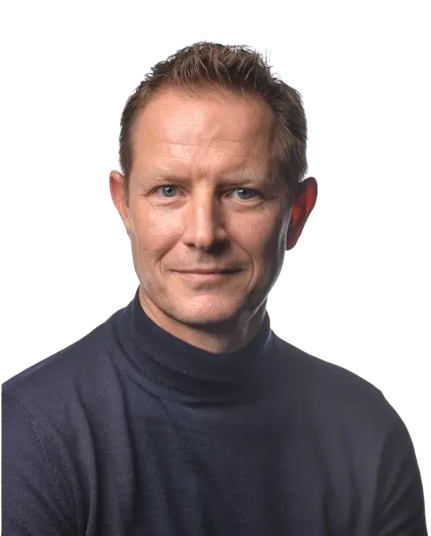
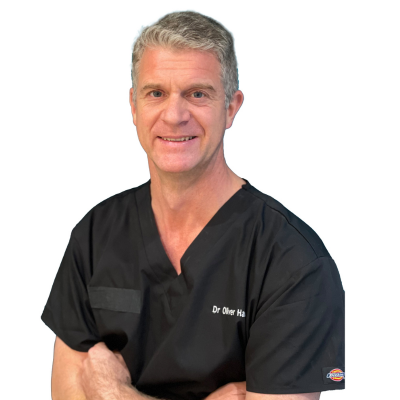
Consultants that perform this procedure








Frequently Asked Questions
Why Choose The McIndoe Centre?
As a specialist hospital with a long-standing reputation in plastic and reconstructive surgery, The McIndoe Centre combines surgical expertise with compassionate, consultant-led care. Choosing to have facial surgery is a deeply personal decision. We understand that a deep plane facelift isn't about looking like someone else; it's about restoring confidence while preserving the features that make you unique.
Our consultant plastic surgeons take the time to understand your goals, creating a personalised treatment plan tailored to your facial anatomy and providing honest advice about whether a deep plane facelift is the right procedure for you.
Clinically reviewed by John Pereira, Consultant Plastic and Reconstructive Surgeon at The McIndoe Centre.
Patient Information Hub
If you are thinking about having cosmetic surgery, here are some important questions that you should ask yourself to help you make the decision that is right for you.
- What do I want to change and why do I want to have surgery?
- Have I considered all the options?
- Can surgery give me the results I want?
- Am I expecting the surgery to change my life as well as my appearance?
- Is now the right time?
Having surgery is a big decision
For more information and advice about cosmetic surgery contact our Private Patient Advisory Team on 01342 488054 or email info.mcindoe@horder.co.uk.
Planning your long-term goals with your consultant, and researching the procedure, will reinforce whether surgery is the right option for you.Surgery is not without risk so you should be sure in your reasons for wanting to go ahead. It is important that your expectations are realistic and that the advantages to you always outweigh the risk of surgery.
Take this checklist to your consultation with the surgeon performing the procedure. Discuss each topic with your surgeon to help you make the decision that is right for you before having surgery.
Having surgery is a big decision
For more information and advice about cosmetic surgery contact our Private Patient Advisory Team on 01342 488054 or email info@mcindoe.co.uk
Think carefully before having cosmetic surgery
Never feel rushed or pressured into giving your consent. Be wary of surgeons or staff who try to convince you to go ahead. Take plenty of time to make your decision.
We strongly advise you take at least two weeks after your consultation with the surgeon performing the procedure to think things through before surgery.
Having surgery is a big decision
For more information and advice about cosmetic surgery contact our Private Patient Advisory Team on 01342 488054 or email info@mcindoe.co.uk